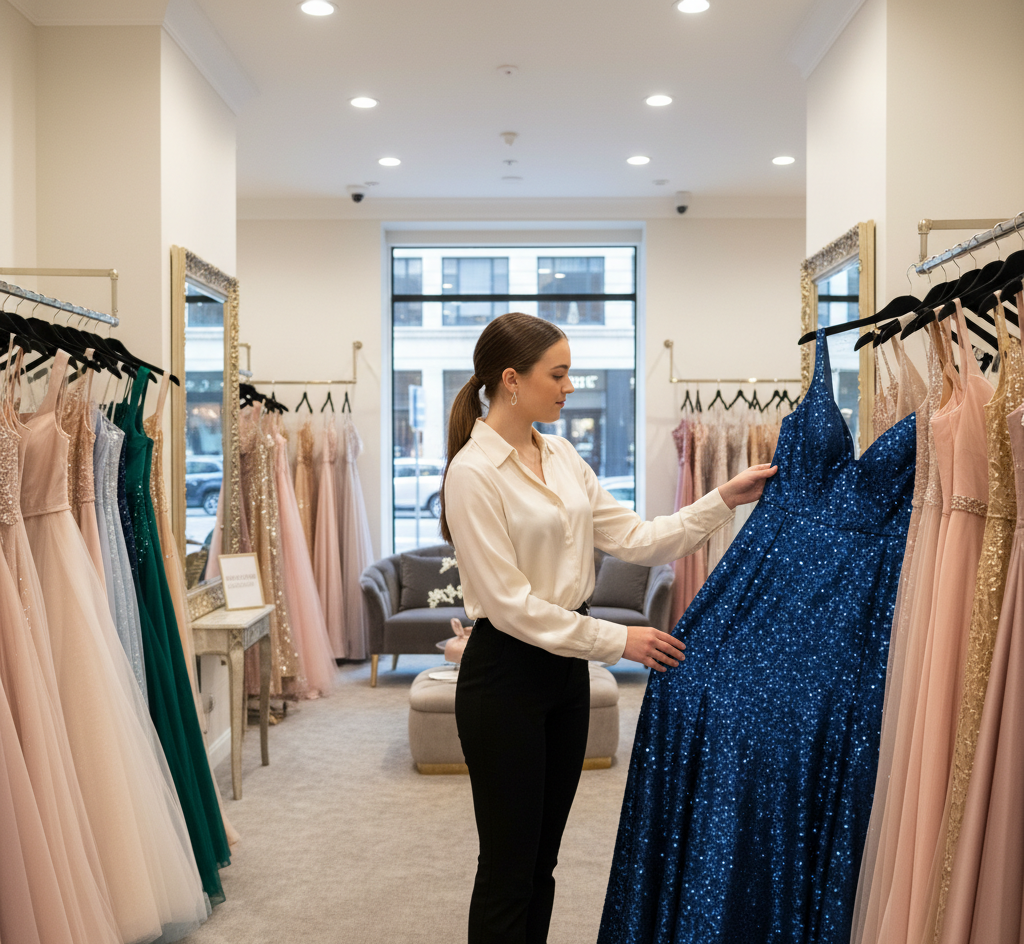
When you’re on the hunt for the ideal look, a great homecoming dress store can turn a stressful search into an exciting experience. I’ve helped dozens of shoppers find dresses that feel right for their style and budget, and I always recommend doing a little homework before you visit. For local shopping trends and retail insights, the U.S. Census Bureau has helpful data on consumer behavior and retail spending that shows how in-person shopping still matters in communities across the country (United States Census Bureau).
Why choose a local homecoming dress store instead of shopping online
Shopping online can be convenient, but a local formal wear store gives you things a screen can’t: live fittings, personalized styling, and the chance to try different silhouettes and fabrics side by side. When you step into a well-stocked boutique, you get expert input on proportion, color, and tailoring that helps you avoid returns and last-minute panic. If you’re working with a tight timeline, local shops usually offer quick alteration services or priority fittings that ensure your dress fits like it was made for you.
Two big trends shaping homecoming dresses right now
Sustainable fabrics and slow-fashion choices
More shoppers are looking for dresses made with recycled materials, remnant fabrics, or slow-fashion production methods. This trend means boutiques are increasingly offering dresses with higher-quality stitching and materials built to last beyond a single event. Choosing a dress that’s durable or easier to alter opens the door to rewearing or upcycling it later.
Social media-driven silhouettes and retro revivals
Microtrends from short-form video platforms are changing what’s popular each season. Right now you’ll see a mix of Y2K nods—think low-rise waists and glittery fabrics—and modern minimalist slips with statement sleeves. A local store will often carry a curated range that reflects both social media buzz and timeless options, so you can pick a look that won’t feel dated in photos.
What to expect when you walk into a good formal wear store
A helpful boutique greets you with a clear fitting process: someone to consult about style, a selection of sizes to try, and a private fitting area. Look for places that offer the following services during your visit: knowledgeable staff who ask about the venue and your comfort level, trained fitters who can recommend alterations, and a selection that covers multiple sizes and price points. Many stores also offer appointment-only shopping for a calmer experience.
Common pain points and how stores solve them
Shoppers often tell me they worry about fit, timing for alterations, and accessorizing. A good local store addresses these by:
- Providing clear timelines for when a dress will be ready after alterations.
- Offering sample sizes across a range so you can see how a silhouette might translate to your measurements.
- Helping curate shoes and accessories to finish the look in one visit.
How to pick the right dress: a step-by-step approach
I recommend a simple plan that keeps things fun and reduces stress. Start by thinking about venue and comfort: are you dancing for hours, or heading to a sit-down dinner? Next, narrow down three silhouettes you like—fit-and-flare, sheath, or A-line—and pick two colors you feel great in. Finally, set a realistic budget that includes alterations and shoes. With that foundation, fittings become decisive instead of overwhelming.
Quick timeline for planning
Here’s a timeline that has worked for many students I’ve helped:
- 6–8 weeks before: Start browsing and book a fitting at a nearby boutique.
- 4–6 weeks before: Finalize your dress and schedule alterations.
- 1–2 weeks before: Final fitting and steam or press the dress for the event.
Practical tips to get the most from your fitting
Bring the shoes you plan to wear (or a similar heel height), any shapewear you’ll use, and photos of styles you like. I always tell clients to arrive with minimal makeup and simple hair so you see the dress clearly and can imagine the full look later. Communicate openly about comfort—if you hate squeezing into a strapless bra, mention it early. Staff can suggest alternate necklines, supportive undergarments, or slight tailoring changes to preserve comfort without sacrificing style.
Budgeting smart for the whole look
A single dress is just one line item. When planning your budget, account for alterations, shoes, accessories, and perhaps a touch-up or professional steaming. Many boutiques offer packages or partner with local seamstresses to bundle fittings and quick alterations for a modest fee. If budget is a top concern, ask about floor samples or last-season styles that can be discounted without losing quality.
Neighborhood shopping: why local districts matter
Shopping in an established shopping district or near downtown neighborhoods often means more options within walking distance—accessories, shoe shops, and hair stylists. That convenience cuts down on logistics when you need a final alteration or last-minute accessory. Even if you live in a different part of the region, a short trip to a boutique in a busy retail area can save time and stress with same-day services.
What to try on first and why it helps
Start with styles you’re mildly curious about, not ones you immediately reject. Trying a slightly different neckline or hem length can reveal a flattering option you didn’t expect. Ask the fitter to bring one neutral color and one bold color in the same silhouette so you can see how color changes the overall effect. This simple comparison prevents regret and helps you narrow choices quickly.
Accessories, hair, and makeup: finishing the look
Plan the full outfit during your second fitting. Bring hair and makeup inspiration, and ask the boutique team for accessory suggestions that complement the dress’s neckline and silhouette. If you’re leaning toward a dramatic back or statement sleeve, choose subtler jewelry. If the dress is simple, consider bolder earrings or a hairpiece. A coordinated look photographed in good light will last long after the event.
Local safety and comfort tips for event night
On the night of homecoming, make a small emergency kit: double-sided fashion tape, a needle and thread or mini sewing kit, and clear nail polish to stop runs in hosiery. If you’re leaving from a friend’s house or a local venue, plan transportation that keeps the dress wrinkle-free—flat surfaces in a car or a garment bag work well. If you need last-minute steaming, many local boutiques will help or point you to a nearby dry cleaner that offers rush service.
Final thoughts and a short checklist before you go
Finding the right dress is as much about the experience as the outcome. A welcoming store with experienced staff can save you time and help you feel confident in photos and in person. Before you head to the fitting, use this short checklist to stay calm and focused:
- Book an appointment if possible to avoid crowds and ensure a fitter is available.
- Bring shoes and undergarments you plan to wear to get an accurate fit.
- Set your budget up front and ask about any extra fees for tailoring.
- Take photos in different lighting during the fitting to help decide later.
If you’re ready to try dresses in a friendly, well-stocked boutique setting, consider visiting So Sweet Boutique for a curated selection and personalized service. You can explore their full site and contact options at So Sweet Boutique.